
Learn how inner ear discomfort and tinnitus can be managed with meditation. Discover practical methods, advantages, and advice for living a more peaceful, calm life.
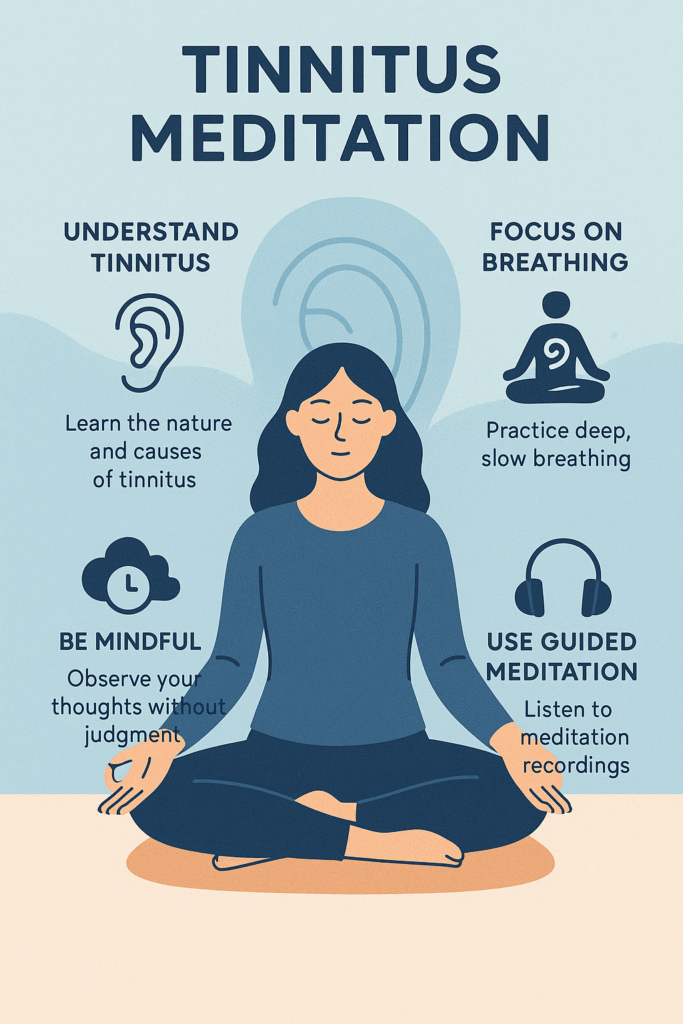
Introduction
- Millions of people worldwide now-a-days suffer from tinnitus, which is the sensation of ringing, buzzing, or hissing in the ears without an obvious cause. It can result in tension, stress, anxiety, worry, sleep problems, and a lower quality of life.
- It is frequently associated with inner ear sensitivity.
- Holistic methods, such as meditation, are becoming more and more popular for treating tinnitus because of their relaxing effects on the mind and auditory system, even though medical therapies may be helpful in certain situations.
What Is Tinnitus and Inner Ear Sensitivity?
- Tinnitus is a sign of underlying illnesses including age-related hearing loss, ear injuries, or circulatory system issues rather than a disease in and of itself.
- When the auditory nerve (the nerve that carries the sensory information from the ears to brain for processing) becomes overactive or the threshold stimulus for it to fire lowers, then there is activation and firing of the auditory nerve that creates ringing sensation in the ears.
- Increased awareness or discomfort to sound is a common symptom of inner ear sensitivity, which can make day-to-day activities difficult. It is frequently observed in illnesses such as hyperacusis (a hearing condition that results in an increased sensitivity to everyday noises, making them seem uncomfortable, annoying or even painful) and Meniere’s disease.
Common symptoms:
- Sound Perception: The subject may hear roaring, whistling, ringing, hissing, humming or buzzing in the ears or even clicking sound in the head or ears (tinnitus).
- Characteristics of the sound: The sound may be high or low pitched, soft or loud, and intermittent or continuous.
- Hypersensitivity to sound i.e. hyperacusis..
- Ear fullness or discomfort as seen in Meniere’s disease.
- Anxiety or panic in loud and noisy environments making it difficult to focus or sleep.
What are the causes of tinnitus?
Some of the common causes of tinnitus are:
- Hearing Loss: Damage to inner ear nerve endings or age-related hearing loss are common causes.
- Long-term exposure to loud noises can harm the sensitive structures of the inner ear.
- Ear Problems: Tinnitus may be brought on by earwax accumulation or infections.
- Underlying illnesses: Diabetes, high or low blood pressure, head or neck injuries, and other illnesses can all cause tinnitus.
- Drugs: Some drugs, referred to as ototoxic drugs, can harm the ear and cause tinnitus.
The Role of the Nervous System
The autonomic nervous system is intimately associated with both tinnitus and sound sensitivity. Anxiety and stress can exacerbate symptoms by making the brain more sensitive to internal noises. This is where meditation can be quite beneficial.
How Meditation Helps Tinnitus and Inner Ear Sensitivity
- Calms the Nervous System:
The parasympathetic (rest-and-digest) nerve system is activated during meditation, which lowers stress chemicals like cortisol and adrenaline that can exacerbate tinnitus. - Shifts Focus:
By diverting the brain’s focus from the bothersome sound, mindfulness practices might lessen emotional reaction to tinnitus. - Improves Sleep and Mood:
Frequent practice can improve feelings of depression, anxiety, and sleep quality—all of which are linked to long-term ear problems. - Rewires the Brain (Neuroplasticity):
By changing auditory processing pathways, long-term meditation may help the brain “unlearn” the impression of tinnitus.
Best Meditation Techniques for Tinnitus Relief
1. Mindfulness Meditation
- It is the method of training and developing focused attention on the present moment without judgment, observing the feelings, thoughts and physical sensations with an attitude of acceptance and curiosity.
- It helps to acknowledge and understand the sound of tinnitus without getting emotionally attached to it.
- The people who are totally new to meditation practices, this type of meditation is best suitable for them.
- The three Cs of mindfulness are curiosity, compassion, and calm centre
How to do it:
- Sit in a quiet and calm environment, possibly during dawn when the surroundings are less noisy.
- Gently close your eyes, and take few minutes to observe your body and emotions, then observe your breath.
- During meditation when thoughts arise in the mind or some noise starts in the surroundings, then don’t entertain those and try to ignore them, reminding yourself softly that you are meditating now, so gently bring your attention back to the breath.
2. Body Scan Meditation
- This type of meditation helps to enhance the awareness of the body and aids in relaxation.
- It also reduces muscle tension, helps them to relax and controls anxiety linked with ear discomfort.
How to do it:
- Lie down on a soft cushion bed or sit comfortably on a relaxing chair which can incline backwards.
- Choose again a time when the external noise is minimum possibly during dawn.
- Next bring your awareness to different parts of the body, one by one slowly relaxing each region from head to toe or vice-versa.
3. Loving-Kindness Meditation (Metta)
- This kind of meditation is related to the heart which is the centre for love, compassion, empathy, kindness and acceptance.
- It mainly encourages compassion and self-acceptance.
- This meditation is especially beneficial for those who feel tensed, frustrated or helpless about their condition.
How to do it:
- Choose a calm environment and relax yourself, perhaps by taking a bath to enhance the benefits.
- Mentally repeat the phrases like “I am happy, I am healthy, I am at peace,” and extend these phrases for others such as “everyone around me is happy, peaceful and healthy”
4. Mantra Meditation
- Her one uses repetitive sound (like “Om” or “So Hum”) to distract from the internal ringing with a soothing external focus.
- It is mainly beneficial for those who are having sound sensitivity and find silence uncomfortable.
Scientific Support
Recent studies support the use of meditation for tinnitus:
- A 2020 review published in Frontiers in Psychology found mindfulness-based interventions significantly reduced tinnitus distress and improved coping mechanisms.
- Research from American Journal of Audiology showed that mindfulness helped reduce both the perception and emotional impact of tinnitus over time.
Tips for Starting a Meditation Practice
- Start with 5–10 minutes daily, make it consistent and then gradually increase the timing.
- You can take help of some guided meditation apps like Headspace, Calm, or Insight Timer, Heartsapp.
- Make a separate corner that is specifically used for your meditation practice and no other thing. Also a fixed timing is important so that your body knows when to meditate and automatically tunes in for meditation.
- Be very patient, the progress is a baby-step—benefits gradually build over time and not overnight.
Additional Lifestyle Tips
- Avoid loud environments and use ear protection like ear plugs when necessary.
- Limit spicy and oily foods, caffeine and alcohol, which can heighten tinnitus.
- Incorporate yoga and breathwork for holistic support.
- Stay hydrated and maintain a healthy sleep schedule.
When to Seek Medical Help
While meditation can greatly reduce the impact of tinnitus, always consult an ENT specialist if:
- Tinnitus starts suddenly or in one ear
- It’s accompanied by hearing loss or dizziness
- It’s severely affecting your quality of life
Conclusion
Meditation is a simple yet effective approach for reducing tinnitus and inner ear discomfort. By treating the emotional and neurological aspects of ear diseases, it provides both some relief and a sense of control.
Incorporating meditation into your daily practice might help you calm not just your ears but also your thoughts.

Leave a Reply